
Your cleanser suddenly leaves your cheeks feeling tight. By lunchtime, you’re reaching for your moisturiser again. During perimenopause and menopause, a routine you’ve relied on for years can start to feel different.
In 2024 consumer research led by Dr Louise Newson, 60% of the 5,744 respondents said they had changed their facial skincare routine since becoming perimenopausal or menopausal, and 48% reported spending more on facial skincare. For skincare brands, the opportunity is to make those adjustments easier. Here, we look at how gentle cleansing, lightweight hydration and richer textures for dry areas can help you build a range around changing skin needs.
Key Takeaways:
- Skin can feel dry, tight or more sensitive during the menopause transition. Breakouts can also occur alongside dryness.
- Humectants such as glycerine and emollients such as jojoba oil serve different roles in a moisturiser.
- A light gel-cream and a richer balm can sit in the same range, with each format designed for a different area or moment in the routine.
- Clear product descriptions help customers choose by explaining the texture, the skin concern and when to use the product.
What is the Difference Between Perimenopause and Menopause?
Perimenopause is the transition period leading up to menopause. It can begin several years beforehand, often with changes to the menstrual cycle such as periods becoming irregular as hormone levels fluctuate. The World Health Organization defines natural menopause as having occurred after 12 consecutive months without a period, when there is no other cause. Skin concerns can show up during the transition, well before that milestone.
How Does Perimenopause and Menopause Change the Skin?
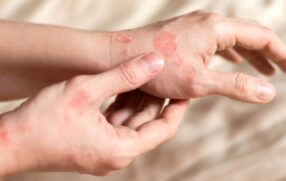
Dryness, tightness and sensitivity can make familiar products feel different, and breakouts can reappear. Someone might notice an oily T-zone and dry cheeks in the same week or find their usual face wash leaves their skin feeling tight after rinsing. Those details are useful when deciding whether your range needs a gentler cleanser, a light daily layer or a richer product for specific areas.
During perimenopause, fluctuating hormone levels can leave skin feeling less predictable. Some women notice dry patches or increased sensitivity, while others experience oiliness or breakouts. After menopause, lower oestrogen levels can affect how skin holds onto moisture, and dryness may become more persistent. Changes vary from person to person and several concerns can overlap.
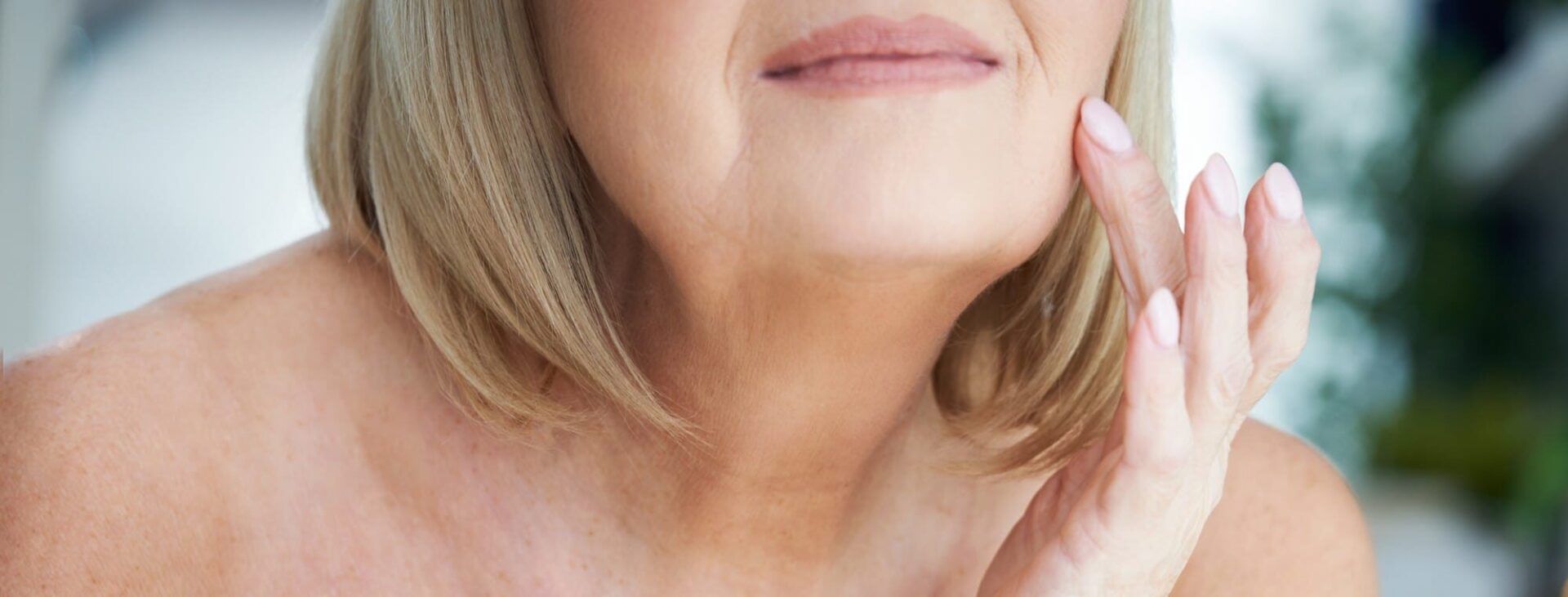
Skin elasticity decreases by 1.5%
each year after menopause
Why is the Skin Barrier Important?
During perimenopause and menopause, declining oestrogen reduces the natural moisture retention and barrier lipids, leaving a weakened skin barrier. In a 2022 study by Alexandra Kendall, the postmenopausal group had lower levels of ceramides and shorter average ceramide chain lengths than the premenopausal group. Moisture retention is therefore worth considering when you brief a formula for dry menopausal skin. We explored the role of oils in moisturising formats in O&3’s Ingredient Spotlight – The Personal Barrier.
How to Formulate Skincare for Menopausal Skin
A Gentle Cleanser for Skin that Feels Tight After Washing
A gentle, non-foaming cream cleanser can complement a moisturising range. The American Academy of Dermatology suggests a mild cleanser for dry skin during menopause.
Lightweight Hydration for Everyday Wear
A gel-cream or daily light lotion can work well in a brief for skin that feels dry in places and oily in others. Glycerine (palm free), a humectant that helps retain moisture, pairs well with jojoba seed oil, an emollient that helps skin feel soft and smooth. If the moisturiser is designed for daytime use, assess how the finish layers under SPF and makeup.
A Facial Serum for Fine Lines and Firmness
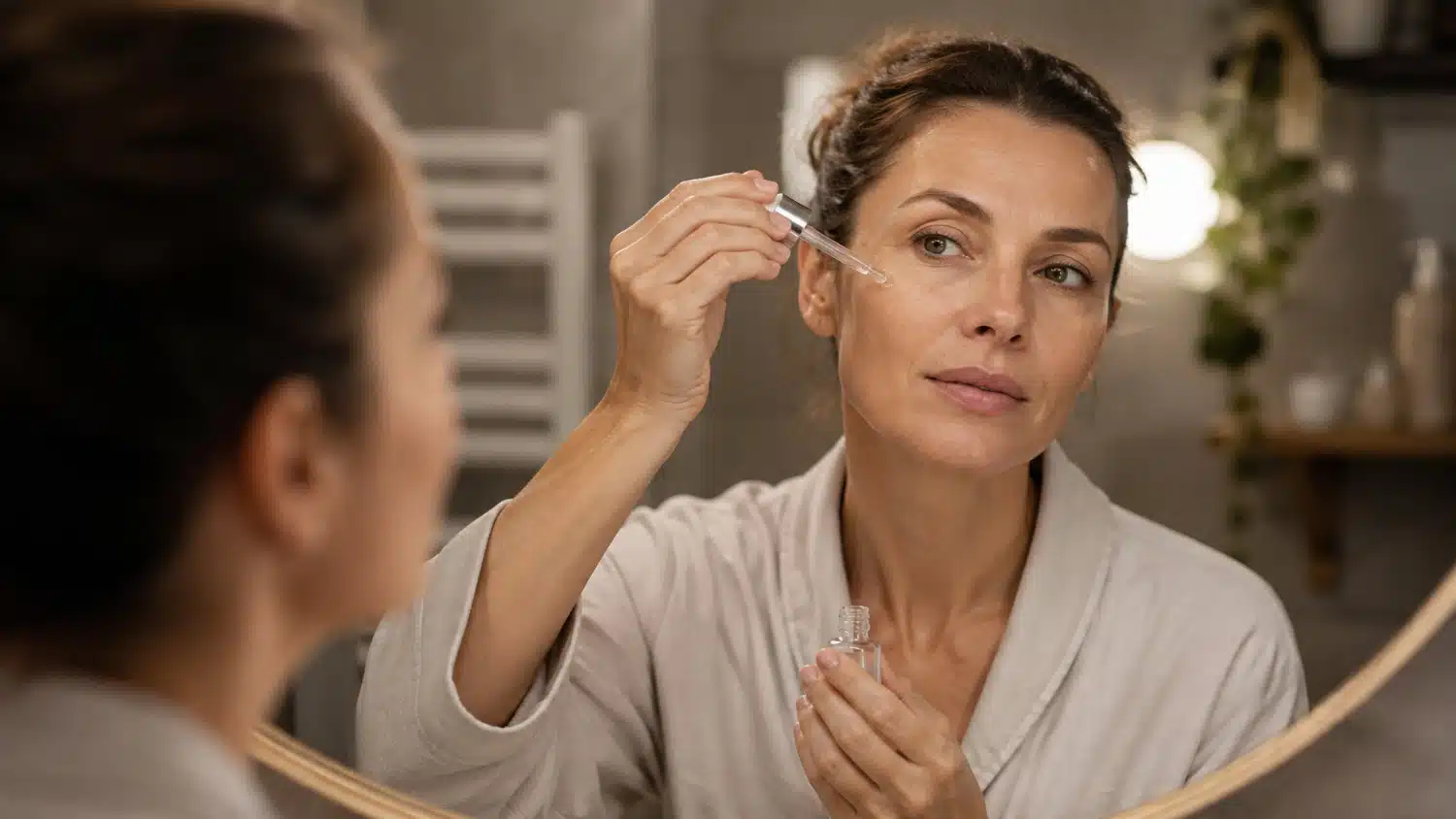
For women noticing fine lines or skin that feels less firm, a facial serum could offer a targeted step before moisturising. Rosehip oil is rich in linoleic and linolenic acids and absorbs quickly with a dry silky finish making it a natural fit for serums focused on the look of fine lines, whilst evening primrose oil a source of gamma-linolenic acid (GLA), helps skin feel more supple.
Balms for Dry Patches
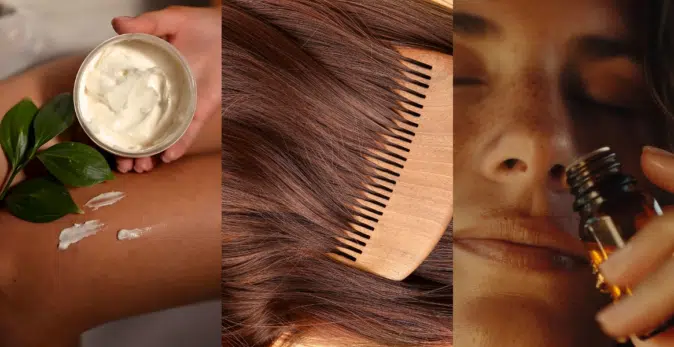
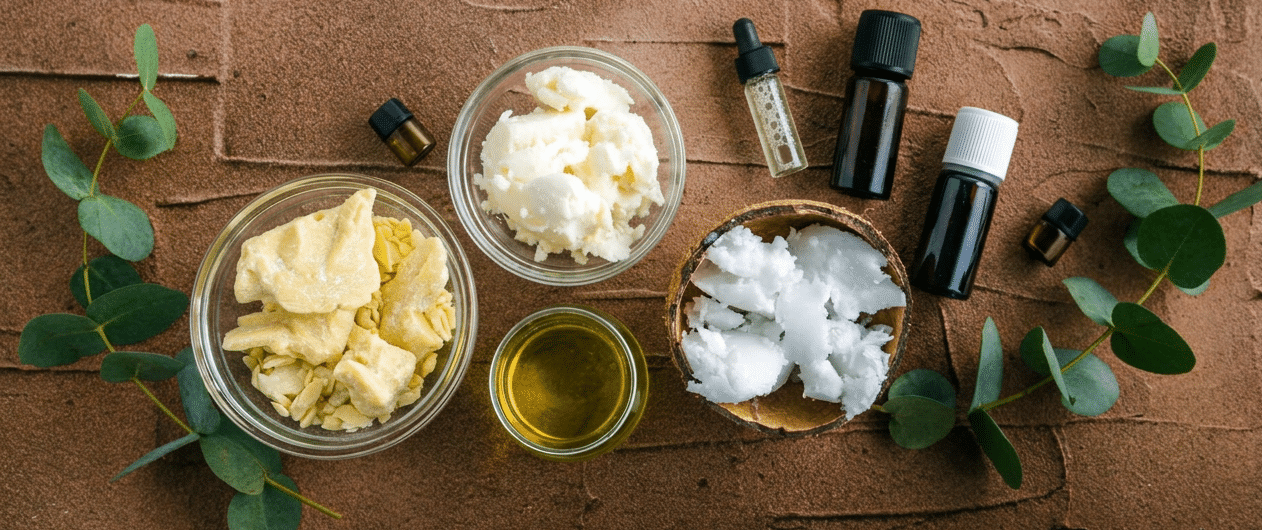
For a body cream, look for a texture that spreads easily over a larger area. Sheanut butter has a rich, cushioning texture and forms a soft, protective layer that helps lock in moisture, which suits dry skin. For targeted applications, a thick ointment or balm can be applied directly to dry patches. Macadamia butter softens on contact with the skin, adding a nourishing, cushioned feel to balms for dry skin patches.
| Ingredient | INCI name | Key properties | Suitable formats | Consumer need |
|---|---|---|---|---|
| Glycerine (Palm Free), Refined | Glycerin (derived from Rapeseed) Oil & Aqua | Humectant that helps the skin hold on to moisture | Gel-creams and lotions | Daily hydration in a light texture |
| Jojoba Seed Oil Golden, Cold Pressed | Simmondsia Chinensis Seed Oil | Moisturising and balancing emollient with a lightweight, non-greasy feel | Cleansing emulsions and lotions | A soft finish that feels light |
| Rosehip Seed Oil, Cold Pressed | Rosa Canina Seed Oil | Rich in fatty acids, vitamins and antioxidants; may help reduce the appearance of fine lines | Oil serums and facial oils | Skin that feels dry or is showing fine lines |
| Evening Primrose Oil (10% GLA), Refined | Oenothera Biennis Oil | Source of gamma-linolenic acid (GLA); helps reduce dryness and supports skin that feels less elastic | Oil serums and facial oils | A soft finish for skin that feels dry |
| Sheanut Butter, Refined Organic | Butyrospermum Parkii Butter | Rich emollient that helps lock in moisture, leaving skin feeling supple and smooth | Body creams and balms | A richer texture for dry patches |
| Macadamia, Butter | Macadamia Integrifolia Seed Oil & Hydrogenated Vegetable Oil & Tocopherol | Rich in fatty acids; nourishing, moisturising and non-comedogenic | Body butters and balms | A richer texture for dry patches |
How Can Brands Build Trust in Menopause Skincare?
Tell customers what they can expect from the formula and where it fits into their routine. In a November Personal Care Insights article, Flo Health chief marketing officer Rina Hahn warned that sweeping claims can undermine trust, while Barefaced founder and nurse practitioner Jorden Harper called for clearer guidance on changing skin needs. An ingredient description can put that into practice by explaining how a gel-cream layers under suncream or where a rich balm fits on days when dry patches feel tight.
No7 paired its 2022 menopause skincare launch with training for its beauty advisors. In research published with the launch, 54% of women surveyed said they had not expected their skin to change during menopause, and 41% were dissatisfied with their existing skincare routine. Training gave advisors a way to explain different textures and help customers choose where to start.
Developing Skincare for Perimenopause and Menopause
A gentle cleanser, a light day lotion, a targeting serum and a rich body cream each serve a different purpose. Starting with how the skin feels and what people want from their routine, helps formulators choose natural oils and butters for a specific role in the finished product. For a wider look at ingredient options, read our guide to formulating menopausal skincare with natural ingredients.
O&3 Thoughts…
We’d start a menopause skincare brief with the moment someone reaches for the product. If their face feels tight after washing, look at the cleanser and the first layer of moisture together. If dry patches are the concern, give the richer texture a clear place in the routine. That gives the formulation team a more specific target for texture and finish and gives the brand team a product story customers can recognise from their own routines.
Working on skincare formulations for menopausal skin? Explore over 950 ingredients, download technical documents from our product pages and request samples to compare textures in your own formulations. Speak to the O&3 team about the oils and butters that could suit your next brief.
Ingredient descriptions are for formulation guidance. Substantiate cosmetic performance claims on the finished product.
Sources
World Health Organization: https://www.who.int/news-room/fact-sheets/detail/menopause
Newson Health Survey: https://www.drlouisenewson.co.uk/knowledge/skin-changes-during-perimenopause-and-menopause
Kendall AC, et al., (Dec, 2022) Menopause induces changes to the stratum corneum ceramide profile, which are prevented by hormone replacement therapy. Sci Rep. https://pmc.ncbi.nlm.nih.gov/articles/PMC9755298/ PMID: 36522440; PMCID: PMC9755298.
American Academy of Dermatology: https://www.aad.org/public/everyday-care/skin-care-secrets/anti-aging/skin-care-during-menopause
No7 Introduces NEW Menopause Skincare Collection https://www.no7company.com/news/2022/no7-introduces-new-menopause-skincare-collection
Does Collagen Really Decline 1% a Year? What the Research Actually Says https://youthfulmagnolia.com/blog/does-collagen-really-decline-1-percent-a-year
Menopause and Skin https://pmc.ncbi.nlm.nih.gov/articles/PMC13502372/
Personal Care Insights. 2026. https://www.personalcareinsights.com/news/menopause-skin-care-consumer-trust.html?utm_source=ActiveCampaign&utm_medium=email&utm_content=Trends%20%26%20Highlights%20%7C%20Healthy%20aging%20moves%20inside%20out&utm_campaign=2026-11-24%20PCI%20Trends%20%26%20highlights
Franciscan Health. 2026. https://www.franciscanhealth.org/blog/menopause-skin
Dr Yusra Clinic. 2026. https://dryusra.com/blog/menopausal-skin-changes/
The Skin Company. https://www.theskincompany.co.nz/blog/perimenopause-amp-menopause-skin-changes
Lancer Dermatology. 2026. https://lancerderm.com/perimenopause-menopause-and-postmenopause-skin-changes-whats-really-happening-to-your-skin/
Please note that the views/opinions expressed in this blog are solely our own. It is the responsibility of our clients to conduct the necessary testing to substantiate any claims and ensure compliance with industry standards for every ingredient. We will not accept any liability for claims made based on our content.