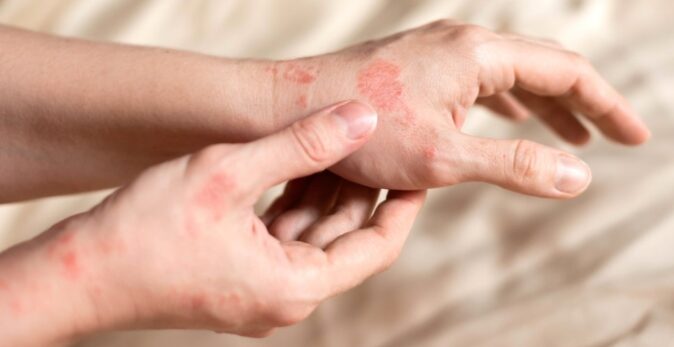

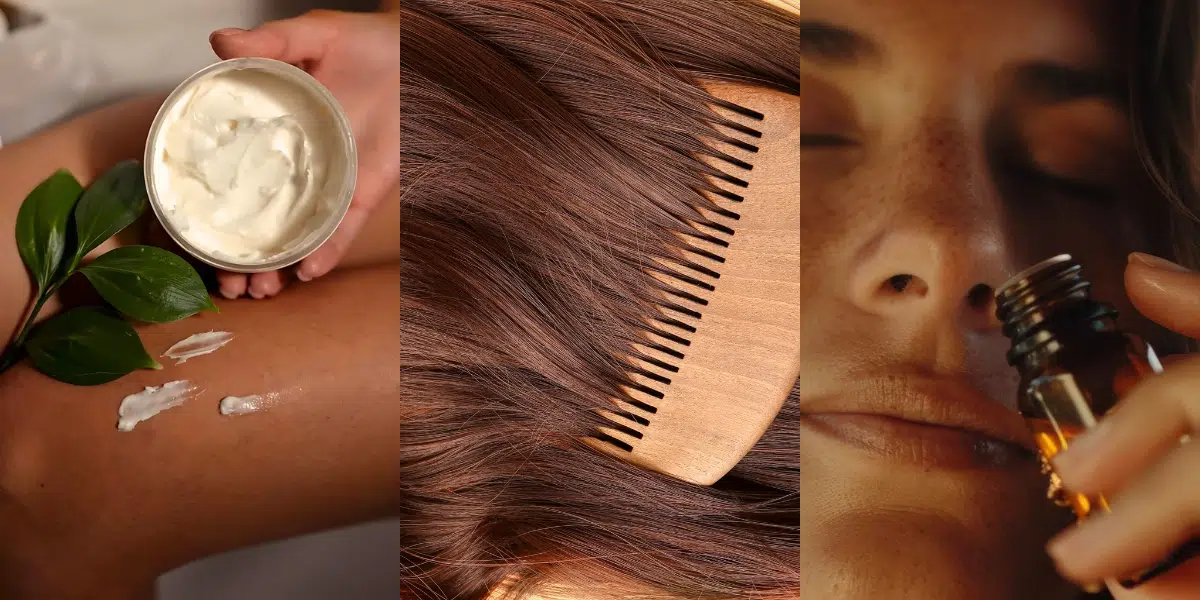
GLP-1 weight loss medications such as Mounjaro, Wegovy and Ozempic are changing how millions of people eat, and they’re creating new beauty needs along the way: loose skin after weight loss, a crepey-looking skin texture, increased hair shedding and changing fragrance preferences. For brands and formulators, the opportunity sits in body firming creams and oils, scalp and hair conditioning treatments and gourmand scents. Here, we review the evidence so far and the natural oils that fit those briefs, including olive, squalene, camellia, macadamia, castor, argan and jojoba.
Key Takeaways:
- An estimated 1.6 million adults in Great Britain used weight-loss medication between early 2024 and early 2025 (UCL).
- US interest in “body firming cream” rose 45% and UK sales of hair loss products rose 32% in the year to August 2026 (Spate; Worldpanel by Numerator).
- A 2026 BMJ study linked GLP-1 use to a higher, though low absolute, risk of non-scarring hair loss.
- Natural oils support moisturisation, barrier care and sensory feel in these formulas; firmness and hair claims need finished-product testing.
Why are Beauty Brands Paying Attention to GLP-1 Medications?
Research published by University College London (UCL) in BMC Medicine estimates 1.6 million adults in England, Wales and Scotland used weight-loss medication between early 2024 and early 2025. The same survey found a further 3.3 million adults were interested in using these medications over the following year. Use is still climbing: Wordpanel by Numerator reports GLP-1 use in Great Britian rising from 2.3% of households in 2024 to 6.3% in 2026.
The biggest beauty brands are already responding. Following L’Oréal’s third-quarter 2026 results, CEO Nicolas Hieronimus told investors that GLP-1 is having an impact on skincare consumption, pointing to SkinCeuticals and Kiehl’s products designed to work alongside it.
Much of the beauty industry’s interest focuses on concerns reported during significant weight loss, including differences in skin firmness and increased hair shedding. Alongside skin and hair concerns, brands are exploring shifts in fragrance preferences.
Body Care: Loose Skin, Firmness and Crepey Texture after GLP-1 Weight Loss
Body care is having its moment, with body firming and contouring leading the way. According to Spate consumer trends data, US interest in ‘body firming cream’ increased by 45% and ‘firming body lotion’ increased by 31% in the year ending August 2026, based on Google searches, TikTok views and Instagram posts.
Whilst this growth coincides with increased GLP-1 use, the data cannot establish a direct connection. However, skin experts point out significant, or rapid weight loss can lead to loose skin and a crepey skin texture, contributing to interest in targeted body care and overall skin quality.
This opens an opportunity to develop products focused on the appearance of firmness and definition, alongside hydration and smoother-looking skin many brands are taking a multi-benefit approach, combining targeted firming ingredients with moisturising barrier supporting components to address overall skin quality within one routine.
Texture also plays a practical role, especially when products need to be spread easily across larger body areas such as the abdomen, thighs and upper arms. As dermatologist Dr Alexis Granite told Cosmetic Business, loose or crepey skin won’t change overnight, so ease of application and feel on the skin is important to encourage consistent use.

Which Natural Oils Suit Body Firming Creams, Lotions and Oils?
Natural oils and emollients won’t do the firming on their own, but they can contribute to the moisturising qualities and shape how a body firming cream, serums or oil feels, spreads and absorbs, and that is often what keeps consumers using it.
- Macadamia Nut Oil, Cold Pressed Organic: Easily absorbed and nourishing, macadamia oil helps maintain the skin’s moisture barrier, leaving it feeling soft and smooth. It can help address dryness and uneven-looking texture.
- Camellia Oil (Oleifera), Cold Pressed Organic: Lightweight and rich in fatty acids, camellia oil supports skin softness and suppleness. Its silky glide makes it well-suited for body oils, creams and serums designed for regular use across larger body areas.
- Olive, Squalane: A lightweight, oxidation-resistant emollient that supports the skin’s natural barrier and helps skin feel more supple, a priority for consumers concerned about skin elasticity. A good fit for fast-absorbing body formulations focused on hydration and texture.
Used within a carefully developed formula, macadamia oil, camellia oil and olive squalane support moisturisation and the application experience alongside ingredients selected for targeted firming benefits.
Barrier care has been a recurring theme for us. We explored it in our 2026 Trend Report spotlight on The Personal Barrier, and the GLP-1 shift gives brands another reason to prioritise it.
Does GLP-1 Cause Hair Loss? What the Research Says About Shedding and Thinning.
The short answer: research points a link between GLP-1 medications and hair loss, though there isn’t any proof yet that they directly cause it. By July 2026, the UK’s Medicine and Healthcare Products Regulatory Agency (MHRA), has received close to 400 reports that year, of hair loss linked to tirzeptide, the active ingredient in Mounjaro. Demand is already showing up in sales: Worldpanel by Numerator reports that UK hair loss products grew by 32% in the year ending August 2026. Research is starting to examine a connection, a study published in British Medical Journal (BMJ) in July 2026 found that GLP-1 receptor agonist use was associated with a higher risk of non-scarring hair loss in adults with type 2 diabetes. GLP-1 users had a 37% higher relative risk than people taking SGLT-2 inhibitors, although the absolute risk was low and the study could not show that the medicines directly caused hair loss. Weight loss and changes in nutritional status were identified as possible contributing factors, rather than a confirmed explanation for every case.
For consumers experiencing shedding or thinner-looking hair during GLP-1 treatment, maintaining the condition and appearance of their existing hair may become a greater priority. Brands and formulators can respond with conditioning treatments and volumising formulas to improve softness, manageability and reduce breakage.

Which Natural Oils Suit Scalp and Hair Conditioning Formulations?
Scalp oils and conditioning treatments are where natural oils really come into their own, adding slip, softness and shine to hair and comfort to the scalp.
- Castor Oil, Cold Pressed Organic: rich in ricinoleic acid, using castor oil for hair is a classic for good reason. Its thick texture conditions the length and suits scalp oils and pre-wash treatments, supporting the look of fuller and healthier hair. It can be incorporated into formulations focused on scalp nourishment and conditioning, complementing routines based around shedding concerns.
- Argan Oil, Cold Pressed Organic: a nourishing oil rich in vitamin E, argan oil for hair helps to hydrate the lengths and scalp. Its antioxidants help protect hair from environmental damage. Suitable for hair oils, serums and pre-shampoo treatments.
- Jojoba Seed Oil, Refined Organic: closely resembling the skins own sebum, jojoba oil helps moisturise the hair and scalp, reducing dryness and promoting overall hair health. It can be used as a hair mask or incorporated into shampoos and conditioners, making it a versatile option for hair routines.
These are cosmetic benefits; natural oils care for the hair and scalp, but they are not treatments for GLP-1 associated hair loss.
Fragrance: Are GLP-1 Users Driving Demand for Gourmand Scents?
The GLP-1 effect doesn’t stop at skin and hair. It may be reshaping fragrance preferences too. Personal Care Insights reports that fragrance houses including Givaudan and IFF are investigating GLP-1 users’ response to scents and whether changing relationships with food could influence fragrance enjoyment.
Professional perfumers suggest that as food becomes less rewarding for some consumers, they may seek pleasure through other senses. Meaning fragrance could offer an alternative source of enjoyment through its association with emotions and memory, providing a possible explanation for interest in comforting, food-inspired gourmand scents. From a formulation perspective, the useful consideration is how fragrance contributes to the overall product experience. Alongside texture and finish, gourmand scents with their sweet, food-inspired notes, can help shape the experience of body creams, washes and oils, although individual preferences vary.
Natural Gourmand Fragrance Ingredients
O&3’s Vanilla Absolute and Tonka Bean Absolute are natural starting points for exploring gourmand fragrance directions. Tonka Bean Absolute has a warm, sweet, vanilla-like profile with hints of almond and spice.
We first explored this shift towards food-inspired aromas and textures explored in O&3’s The Edible Beauty Movement: Where Skincare Meets Sensory Indulgence.
| Ingredient | INCI name | Key properties | Suitable formats | Consumer need |
|---|---|---|---|---|
| Macadamia Nut Oil, Cold Pressed Organic | Macadamia Integrifolia Seed Oil | Easily absorbed, nourishing emollient that helps maintain the skin’s moisture barrier | Body firming creams, lotions and body oils | Dryness and uneven-looking texture after weight loss |
| Camellia Oil (Oleifera), Cold Pressed Organic | Camellia Oleifera Seed Oil | Lightweight and rich in fatty acids; supports skin softness and suppleness | Body oils, creams and serums for larger body areas | Loose or crepey-looking skin; easy daily application |
| Olive Squalane | Squalane | Lightweight, oxidation-resistant emollient that supports the skin barrier and helps skin feel more supple | Body serums, lotions and fast-absorbing oils | Hydration, skin texture and the look of firmness |
| Castor Oil, Cold Pressed Organic | Ricinus Communis Seed Oil | Rich in ricinoleic acid; moisturises and nourishes the scalp | Scalp oils, hair masks and pre-shampoo treatments | Scalp care alongside hair shedding concerns |
| Argan Oil, Cold Pressed Organic | Argania Spinosa Kernel Oil | Rich in vitamin E and antioxidants; helps hydrate the hair and scalp | Hair oils, serums and pre-shampoo treatments | Softness, manageability and reduced breakage in thinner-looking hair |
| Jojoba Seed Oil, Refined Organic | Simmondsia Chinensis Seed Oil | Moisturises the hair and scalp and helps reduce dryness | Shampoos, conditioners and hair masks | Dry scalp and overall hair condition |
| Vanilla Absolute | Vanilla Planifolia Fruit Extract & Glycerin | Sweet, food-inspired gourmand aroma | Body creams, washes and oils | Comforting, gourmand scent experience |
| Tonka Bean Absolute | Dipteryx Odorata Seed Extract | Warm, sweet, vanilla-like profile with hints of almond and spice | Body creams, washes and oils | Comforting, gourmand scent experience |
What The GLP-1 Shift Means for Formulators
The GLP-1 beauty conversation points to three clear development directions:
- Body products combining targeted firming goals with hydration,
- Haircare built around clearly defined cosmetic benefits,
- Emerging opportunities across fragrance.
Whatever the format, the starting point is the consumer need. From there, ingredient selection should follow a clear purpose, whether that is emollience, conditioning, spreadability, or scent.
Natural oils can contribute to these formulations through their documented properties, while evaluation of the complete product determines its stability, sensory performance and supported benefits. Products developed around specific needs may also have relevance beyond GLP-1 users, including consumers experiencing changes across different life stages and routines.
O&3 Thoughts…
What strikes us most about the GLP-1 shift is that it isn’t creating new needs so much as speeding up one’s we’ve been watching for a while: body care treated with the same care as skincare, scalp health becoming a category in its own right, and fragrance as a source of comfort and pleasure. Brands that succeed here won’t be the ones making the boldest claims. They’ll be the ones building honest, well formulated products around real consumer concerns, and those products will serve a much wider audience than GLP-1 users alone.
Developing your next body care, haircare or wellness product? As a natural cosmetic ingredients supplier with over 950 ingredients, O&3 can help. Explore our portfolio, download technical information from our product pages, request samples or speak to our team about ingredient options for your formulation brief.
Please note: This article is for information only and is intended for cosmetic brands and formulators. The natural ingredients referenced support the cosmetic care of skin and hair; they are not presented as treatments for the effects of GLP-1 medication. Claims relating to firmness, contour definition or hair shedding should be supported by appropriate finished-product testing, and suitability, use levels and compatibility should be assessed for each application.
Sources
University College London – 1.6 million UK adults used weight loss drugs in past year (BMC Medicine, January 2026): https://www.ucl.ac.uk/news/2026/jan/16-million-uk-adults-used-weight-loss-drugs-past-year
Cosmetics Business – L’Oréal CEO Nicolas Hieronimus on GLP-1’s ‘impact’ on skin care sales (October 2026): https://cosmeticsbusiness.com/loreal-ceo-on-glp-1-impact-on-skin-care-consumption
Cosmetics Business – How body contouring and firming products are getting… (20026): https://cosmeticsbusiness.com/how-body-contouring-and-firming-products-are-getting
Cosmetics Business – Stop the shedding: Hair care is entering its GLP-1 era (2026): https://cosmeticsbusiness.com/stop-the-shedding-hair-care-is-entering-its
Tang H, et al. Risk of hair loss associated with GLP-1 receptor agonists in adults with type 2 diabetes. The BMJ (July 2026): https://www.bmj.com/content/394/bmj-2026-100077.full
Personal Care Insights – Plate to perfume: Are GLP-1s fueling the gourmand fragrance boom? (2026): https://www.personalcareinsights.com/news/glp1-users-gourmand-scents.html
Reuters – Perfumers test weight-loss drug users’ appetite for food-inspired scents (October 2026), source of the Mintel data
News coverage of MHRA hair loss reports for tirzepatide (July 2026): https://www.v2radio.co.uk/news/v2-radio-uk-news/weight-loss-drugs-linked-to-increased-risk-of-hair-loss-researchers-say/
Please note that the views/opinions expressed in this blog are solely our own. It is the responsibility of our clients to conduct the necessary testing to substantiate any claims and ensure compliance with industry standards for every ingredient. We will not accept any liability for claims made based on our content.