

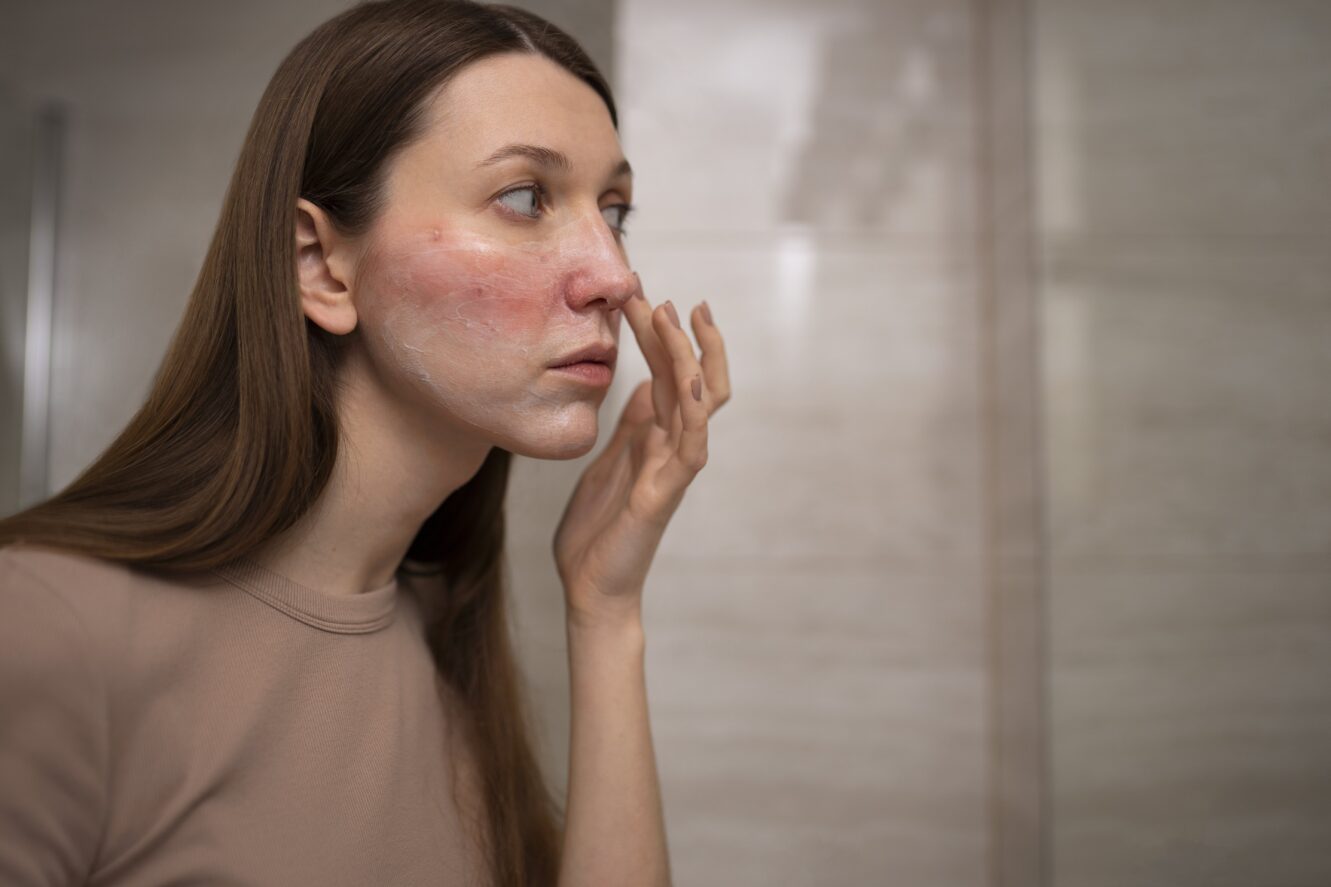
Notorious for its unpredictable flare-ups, which can be debilitating and isolating, psoriasis is not just a physical disease, but an emotional burden.
For those living with psoriasis, the journey is often overwhelming. The visible nature of the condition can ruin self-esteem, leading to deep psychological distress and social withdrawal. While some people only endure mild discomfort, others experience excruciating symptoms, such as intense itching, persistent pain, and even joint complications, known as psoriatic arthritis.
According to the World Health Organisation, psoriasis affects around 125 million people worldwide (2-3% of the global population) and despite extensive research, is not definitively categorised as an autoimmune disease, with the exact cause remaining unclear.
The lack of a known cause or cure can feel disheartening to those suffering from the disease. Join us today, as we explore natural approaches to managing psoriasis’ impact on the body and mind, including the use of natural oils in skincare and haircare.
What is psoriasis?
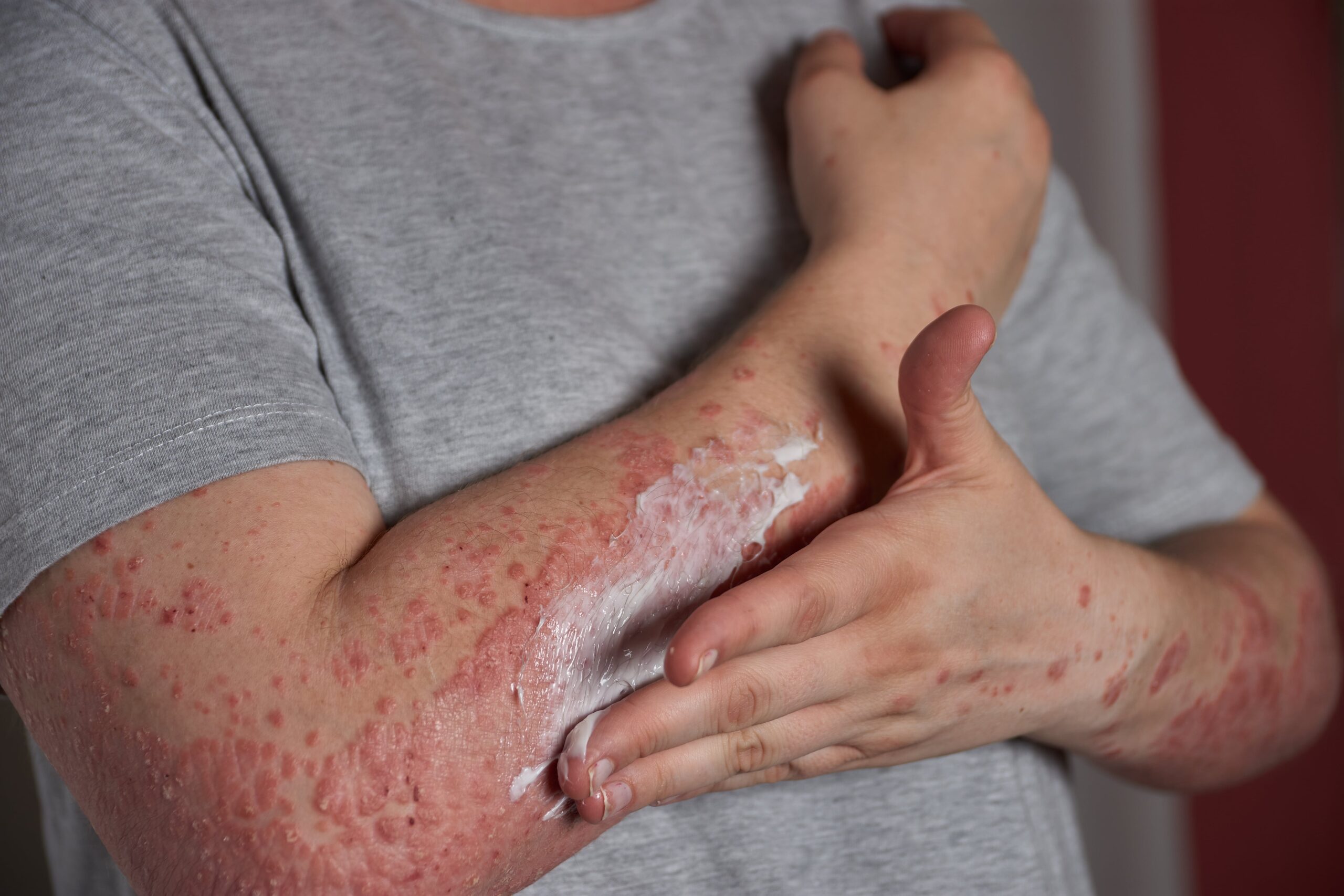
Psoriasis is a chronic condition characterised by the rapid buildup of skin cells leading to scaling on the skin’s surface. These extra skin cells form scales and red patches that are often itchy and sometimes painful. Plaque psoriasis is the most common form, affecting about 80-90% of those with psoriasis, and typically appears as raised, red patches covered with a silvery-white buildup of dead skin cells or scale. While the exact cause of psoriasis is not fully understood, it is believed to be related to a combination of genetic, environmental, and immune system factors.
Psoriasis vs eczema
Psoriasis and eczema are both chronic skin conditions that cause inflammation and itching, but they have distinct characteristics and treatments.
Appearance
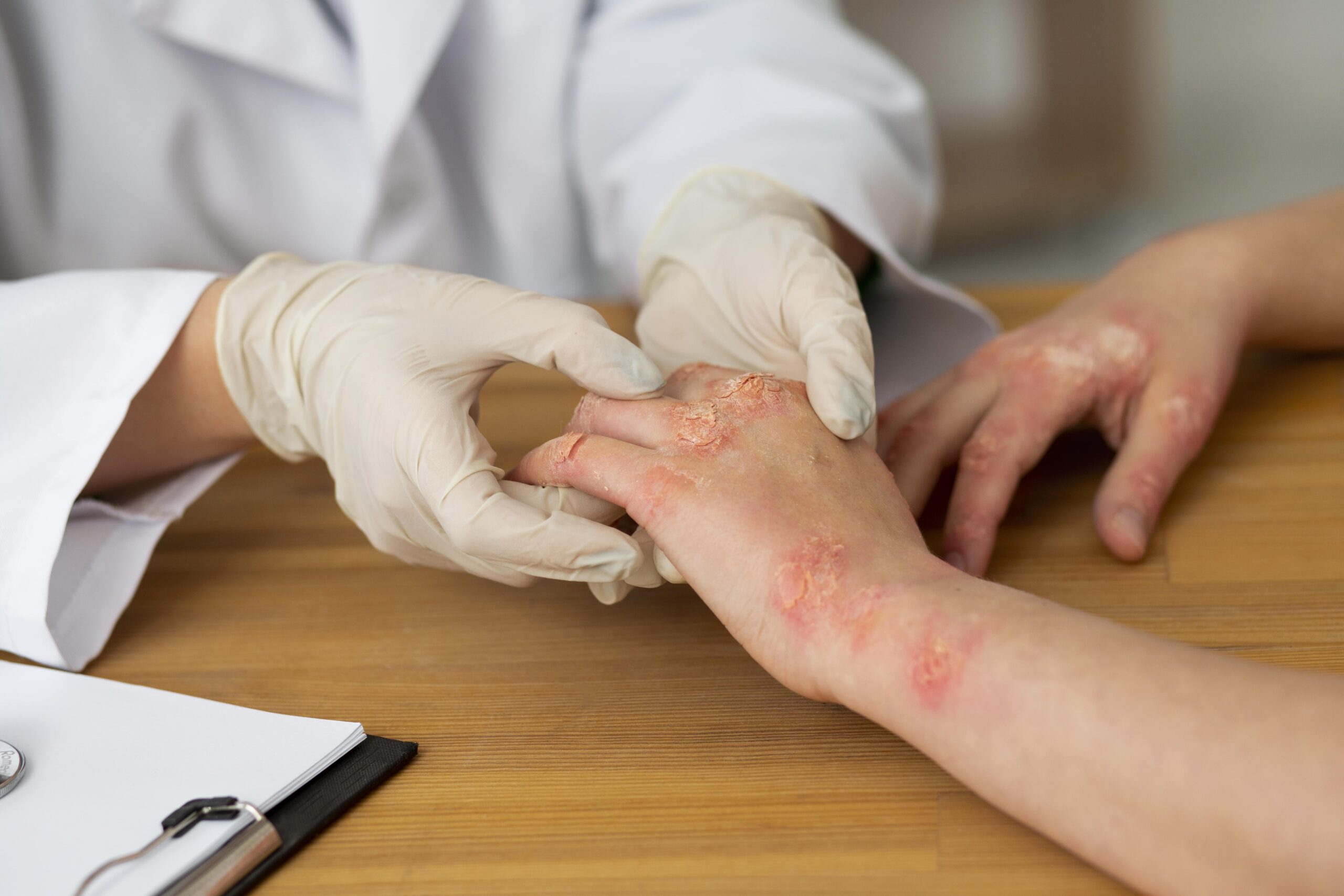
Psoriasis typically presents as thick, red patches with silvery scales, while eczema (atopic dermatitis) often appears as red, inflamed, and sometimes oozing patches.
Location
Psoriasis commonly affects the elbows, knees, and scalp, whereas eczema usually appears on the inside of the elbows, behind the knees, and on the neck.
Age of Onset
Eczema often begins in childhood, while psoriasis can develop at any age but is most commonly diagnosed in adulthood.
Triggers
Psoriasis triggers include stress, infections, and certain medications. Eczema can be triggered by allergens, irritants, and dry skin.
Identifying whether you have psoriasis or eczema is crucial for appropriate treatment. A dermatologist can provide an accurate diagnosis and suggest a tailored treatment plan.
Why use natural psoriasis treatment?
Natural oils offer a gentle yet effective approach to managing psoriasis symptoms. They are rich in essential fatty acids, vitamins, and antioxidants that help nourish and soothe the skin. Unlike some conventional treatments, natural oils are less likely to cause adverse side effects and can be used as complementary therapies alongside prescribed medications.
What are the benefits of natural oils for psoriasis?
Moisturisation
Keeping the skin hydrated is crucial for managing psoriasis. Natural oils form a protective barrier, preventing moisture loss and reducing dryness and scaling.
Anti-inflammatory Properties
Many natural oils have anti-inflammatory compounds that help reduce redness, swelling, and itching.
Skin Barrier Repair
Natural oils can help restore the skin’s natural barrier, protecting it from environmental irritants and preventing further damage.
What natural oil ingredients are best for psoriasis skincare?
Several natural oils have been shown to soothe psoriasis symptoms and improve skin health, some of the best ingredients to incorporate into your skincare formulations include:
Known for its deep moisturising properties, coconut oil helps keep the skin hydrated and reduces dryness and scaling.
Similar in composition to the skin’s natural sebum, jojoba oil is easily absorbed and helps repair the skin barrier.
Rich in vitamin E and essential fatty acids, argan oil provides anti-inflammatory benefits and enhances skin hydration.
With its antimicrobial and anti-inflammatory properties, tea tree oil can help reduce redness and prevent infections.
Aloe vera is well-known for its soothing and healing properties, making it ideal for calming inflamed and irritated skin.
This oil contains gamma-linolenic acid (GLA), which can help reduce inflammation and improve skin hydration.
O&3’s Thoughts…
Psoriasis Awareness Month is an opportunity to learn more about this challenging condition and explore natural ways to manage its symptoms. While there is no cure for psoriasis, incorporating natural oils into your skincare formulations can provide relief to those suffering and improve their quality of life. By staying informed and exploring natural approaches, people with psoriasis can find comfort and support on their journey to better skin health.
Please note that the views/opinions expressed in this blog are solely our own. It is the responsibility of our clients to conduct the necessary testing to substantiate any claims and ensure compliance with industry standards for every ingredient. We will not accept any liability for claims made based on our content.